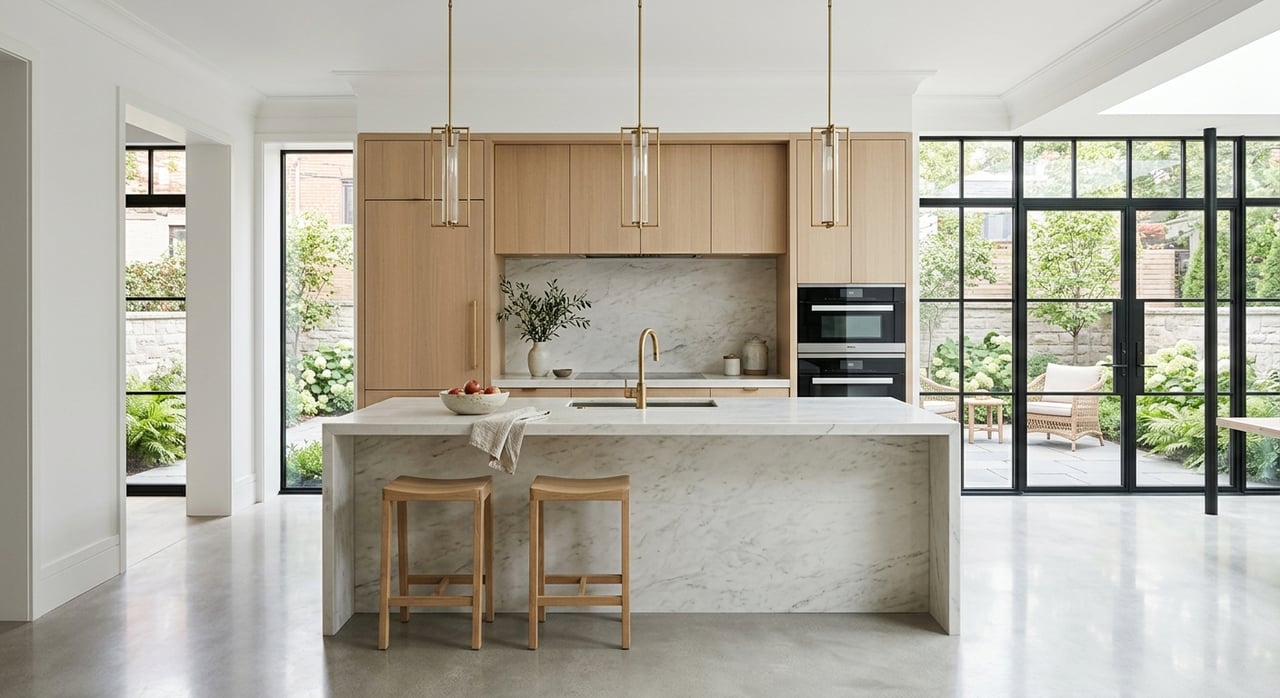
Falls Church Move Up Buyers: From Townhome to House
June 11, 2026
June 11, 2026
Thinking about trading your Falls Church townhome for a single-family home? You are not alone, and you are not imagining the jump. In this market, moving up often means competing for a much scarcer type of property, adjusting your budget expectations, and weighing space against commute, lot size, and condition. This guide will help you understand what that move really looks like in Falls Church so you can plan with more confidence. Let’s dive in.
Falls Church is a small, inside-the-Beltway city with just over 6,500 housing units, and more than half of that housing stock is multifamily. Detached homes make up a much smaller share of the market, with 2,348 single-family homes compared with larger combined totals of condos, apartments, and townhomes. That supply mix matters because it helps explain why moving from a townhome into a detached home can feel like a major leap.
New housing supply has also been concentrated more in larger multifamily projects than in detached homes. At the same time, the city notes that families with children are concentrated in single-family residences, which helps keep detached inventory tight. In plain terms, there are fewer single-family homes to choose from, and many buyers are aiming for the same limited pool.
One of the most helpful ways to prepare is to look at the local housing ladder step by step. In Falls Church, the move-up path is often not just about getting more bedrooms or square footage. It is also about buying land, privacy, and a different long-term resale profile.
Here is a practical snapshot of today’s ladder based on current market examples:
| Home type | Typical pricing snapshot |
|---|---|
| Condo | Median listing price around $500K, with active listings from the low $200Ks to about $810K |
| Townhome | Median listing price around $1.12M, with examples from roughly $605K to $1.75M |
| Older detached starter | Often around $800K to $1.3M |
| Larger renovated or newer detached home | Often above $1.5M, with many in the roughly $2.1M to $3.2M+ range |
That ladder shows why the jump from townhome to single-family can feel steep. Even if you already have solid equity, you may still be moving into a price band with thinner inventory and stronger competition.
Recent sold-price metrics show a market that still moves quickly. Redfin reports a recent median sale price of $1.276 million for Falls Church, with homes selling at 102.9% of list price on average and a median of 22 days on market. Zillow’s broader Falls Church market page shows different headline numbers, but the same overall story: this is a high-priced market where inventory remains limited.
That matters if you are selling a townhome and trying to buy a detached home at the same time. You may have a comfortable amount of equity, but you still need a strategy for acting quickly when the right home appears. In a market like this, timing and preparation often matter just as much as budget.
When buyers say they are searching in Falls Church, they are often looking at more than the independent city itself. In practical terms, many searches also include nearby 22042, 22043, 22044, and 22046 areas. Listing portals often blend the independent city with nearby Falls Church postal neighborhoods, which can make the search feel broader than it first appears.
That is not necessarily a bad thing. Expanding your search area can create more options in both townhomes and detached homes, especially if you are trying to balance price, lot size, commute, and home condition. The key is to compare properties with a clear understanding of where they are located and how that affects price and daily life.
In Falls Church, moving into a single-family home usually means you are buying land as much as you are buying the house itself. The city’s zoning code has two single-family residential districts, with standard minimum lot areas of 11,250 square feet in R-1A and 7,500 square feet in R-1B. Lot width requirements also vary, which shapes what can be built and how properties are valued.
The city also assesses land on a per-square-foot basis, so lot size and shape directly affect value. That is one reason two homes with similar interior square footage can feel very different in price. If one sits on a larger, flatter, or better-shaped parcel, that land can carry significant value.
Falls Church has many older and irregular parcels because some substandard lots were created before February 14, 1944. The city also explains that some older homes built across more than one substandard lot were later replaced by two homes on smaller remaining lots. For buyers, that means lot lines, shape, and redevelopment history are not minor details.
When you move from a townhome to a detached property, it helps to think beyond the house itself. Ask how usable the yard is, how the home sits on the lot, and whether the parcel feels straightforward or unusual. Those details can affect both your day-to-day enjoyment and future resale.
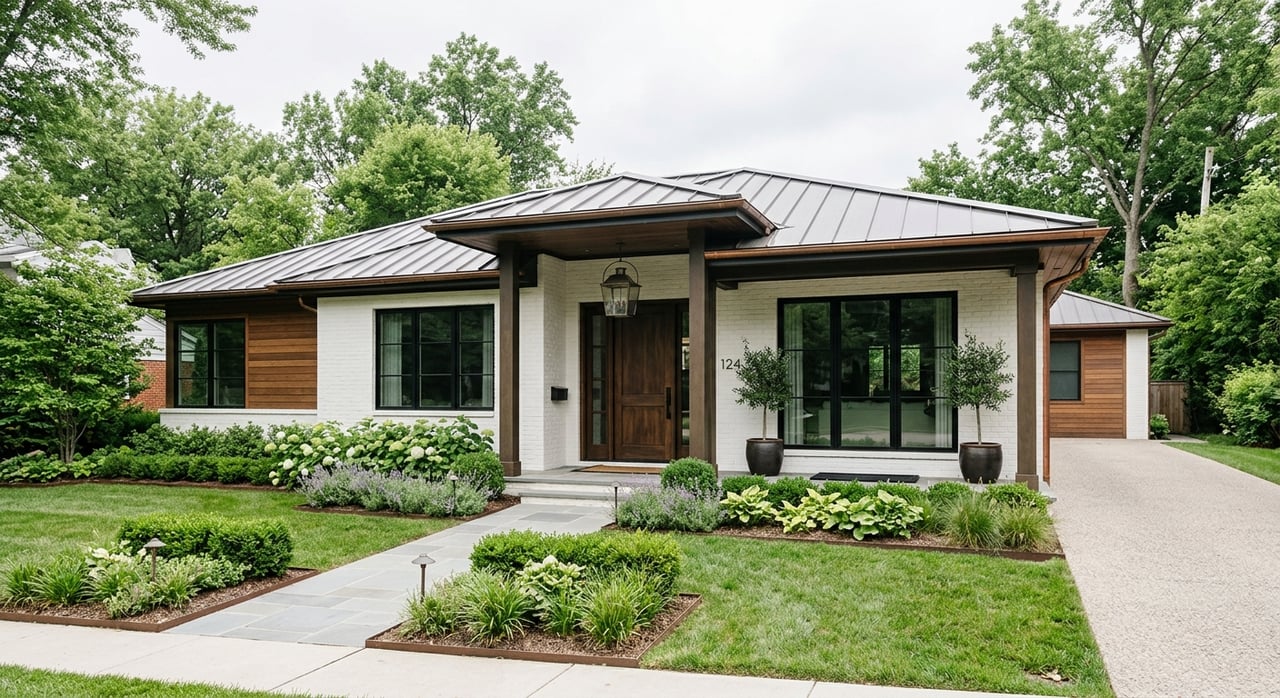
Falls Church does not offer one standard single-family product. Current listings show a broad mix that includes brick ramblers, expanded Cape Cods, Colonials from the 1990s, and newer construction. Some neighborhoods have original homes beside additions, fully renovated properties, and newer replacement homes.
That variety can be a real advantage if you know your priorities. You may be choosing between an older detached home with a larger lot, a partially updated home with room to improve over time, or a newer home at a much higher price point. The right answer depends on whether you value immediate turnkey condition, yard space, layout, or long-term upside.
As you compare townhomes and detached homes, keep these tradeoffs in mind:
Falls Church gives you strong transportation access for an inside-the-Beltway market. The city is served by nearby East Falls Church and West Falls Church Metro stations, with Orange and Silver Line access at East Falls Church and Orange Line access at West Falls Church. WMATA bus routes and nearby local transit options also support daily travel around the area.
At the same time, micro-location matters more than many buyers expect. West Falls Church sits in the middle of I-66, so station access, parking, and peak-hour road traffic can affect how convenient the commute feels in real life. A home that looks close on a map may still have a different daily rhythm depending on roads, parking, and route options.
Falls Church also supports a car-light lifestyle in some areas. The city highlights walkable downtown blocks, public parking, bike routes, Capital Bikeshare access, and shops and restaurants that are often within a 5- to 10-minute walk. For some buyers, that makes a smaller yard easier to accept if it shortens the commute or keeps errands simple.
For many move-up buyers, existing equity is the bridge from townhome to single-family. That is often true in Falls Church, where the detached-home jump can be substantial. But equity alone does not solve the whole puzzle, because you also need enough liquidity for closing costs, moving expenses, and any upfront work your next home may need.
Consumer guidance from the CFPB notes that closing costs commonly run about 2% to 5% of the purchase price before the down payment. On a higher-priced Falls Church purchase, that can be a meaningful amount of cash. If you are building your budget, make sure you account for those costs and not just the down payment target.
Some homeowners consider a home equity loan or HELOC to help bridge the gap. The CFPB treats both as second mortgages, and a HELOC typically comes with a variable interest rate. It can also affect your ability to refinance the first mortgage later, and missed payments can put your home at risk.
A cash-out refinance is another option, but it replaces your current mortgage and may increase your monthly payment or extend your loan term, especially when rates are higher. The larger lesson is simple: financing your move-up purchase is not just about what is possible. It is also about how much complexity and payment risk you want to carry.
If you are serious about moving from a townhome to a single-family home, start by defining your non-negotiables. Decide what matters most to you: lot size, home condition, commute, walkability, or purchase price ceiling. In Falls Church, it is hard to maximize all five at once.
Then, look at your current townhome through a move-up lens. Your equity position, likely sale timing, and the condition of your current home will all shape what is realistic on the purchase side. This is where local pricing knowledge and renovation-informed guidance can be especially valuable, because the spread between a dated detached home and a renovated one can be significant.
Finally, be prepared for the emotional side of the move. Many buyers expect the townhome-to-house transition to feel straightforward, but in Falls Church it often involves real tradeoffs. The good news is that with the right plan, you can make a smart move that fits both your budget and your lifestyle.
If you are weighing a move from townhome to single-family in Falls Church, a clear local strategy can help you understand your options, time your sale, and evaluate the right next step with confidence. To talk through your home value, your target budget, and what the current market supports, connect with The Gaskins Team.
Stay up to date on the latest real estate trends.

Whether you're buying your first home or preparing to sell, The Gaskins Team is here with the strategy, support, and local expertise to help you succeed.