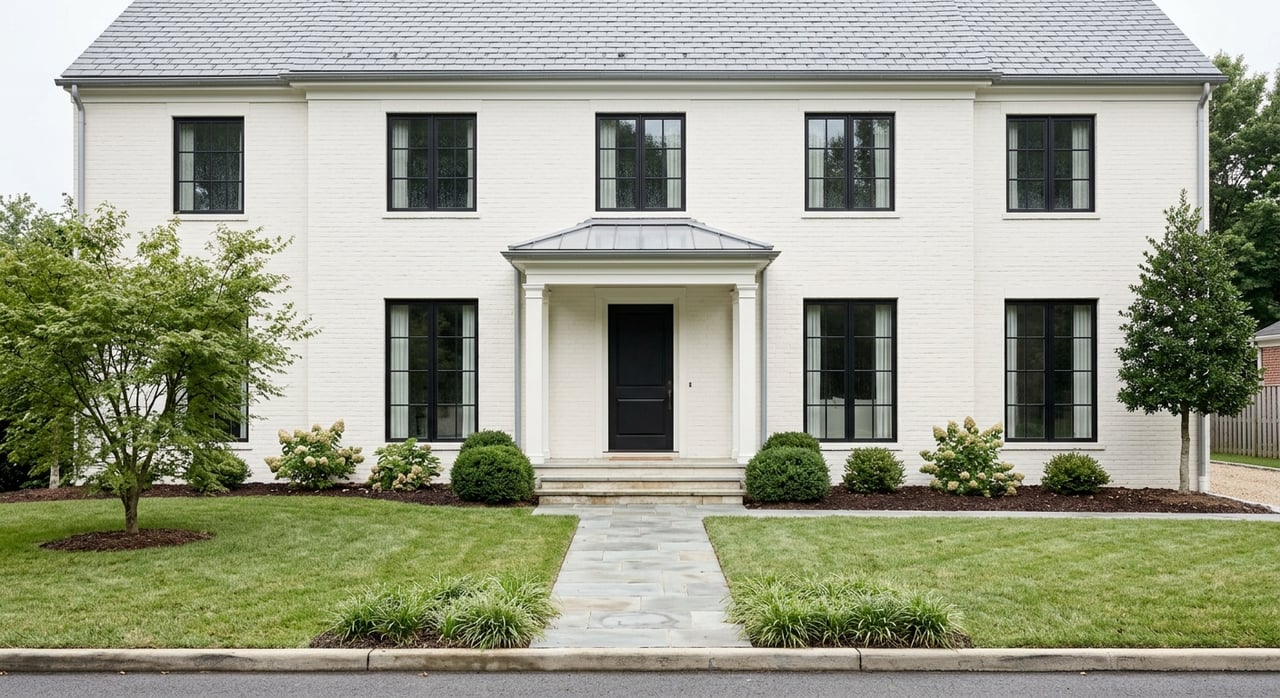
Smart Strategy for Pricing a Home in Bethesda, MD
April 2, 2026
April 2, 2026
If you price your Bethesda home too high, you may miss the buyers who would have competed for it. Price it too low without a strategy, and you could leave leverage on the table. In a market where strong homes can move quickly but some listings still need price cuts, the right pricing plan matters from day one. This guide will show you how to think about list price, comps, timing, and presentation so you can sell with more confidence. Let’s dive in.
Bethesda is not a market where broad county averages tell the full story. In February 2026, the Bethesda housing market showed a median sale price of $1,460,000, an average of 43 days on market, and a 101.3% sale-to-list ratio. Redfin also reported that 38.5% of homes sold above list price.
That said, strong demand does not mean every price works. The same Bethesda data shows that 9.3% of homes had price drops, which is a reminder that buyers still respond quickly to overpricing. In other words, a smart pricing strategy is not about guessing high and hoping for the best.
It is also important to separate Bethesda from the broader county picture. The January 2026 Montgomery County market report showed a median sold price of $595,000 and a sold-to-original-list-price ratio of 96.6%, which is useful background but not a direct substitute for Bethesda pricing. Your home competes first within its own micro-market, not the county as a whole.
A smart list price starts with comparable sales, often called comps. According to Fannie Mae's comparable sales guidance, at least three closed comparables should be used in the sales comparison approach when possible. Current listings and properties under contract can also help support the analysis.
The key is relevance, not perfection. Fannie Mae notes that comps do not have to be identical if they are competitive and appeal to the same market participants. In Bethesda, that matters because pricing can shift significantly from one section, block, or housing style to another.
For example, a detached home with major updates may not compete with an older home that has similar square footage but very different condition. A luxury condo may also need a very different pricing lens than a townhome nearby. The closer your comps are in location, style, condition, and buyer appeal, the more useful your pricing range becomes.
Many sellers want one exact price. In reality, the strongest strategy usually starts with a range. As NAR explains in its guidance on pricing conversations, a comparative market analysis can frame pricing as below-market, market-aligned, and above-market options, each with clear tradeoffs.
That approach is especially helpful in Bethesda, where buyer response can be sharp and immediate. A market-aligned price may attract the widest pool of serious buyers. A more aggressive price might still work if the home is exceptionally presented and supported by strong comps, but it also carries more risk.
Thinking in ranges helps you make a strategic choice instead of treating list price like a guess. It also gives you a clearer plan for what to watch once your home hits the market, including showing activity, buyer feedback, and early interest.
Your home's condition has a direct effect on the price range buyers will support. Fannie Mae's property condition guidance makes clear that condition and quality are judged holistically, including visible maintenance issues, needed repairs, and the overall level of updating.
That means not every project adds equal value. Fannie Mae distinguishes between a home that is simply updated to meet current expectations and one that has been more fundamentally remodeled. Buyers notice that difference, and so do pricing strategies.
If you are selling soon, focus on work that changes buyer perception in an obvious way. According to the 2025 NAR Remodeling Impact Report, 46% of buyers are less willing to compromise on condition, and REALTORS® most often recommend projects like painting and new roofing before listing. That supports a simple rule: prioritize visible, broad-appeal improvements over highly customized work.
Pricing is not just about square footage and recent sales. It is also about how buyers experience your home online and in person. In a market where buyers may compare several Bethesda listings quickly, strong presentation can help support stronger buyer interest within your pricing range.
The 2025 NAR Profile of Home Staging found that 83% of buyers' agents said staging makes it easier for buyers to visualize the property as a future home. It also found that 17% said staging increased the dollar value offered by 1% to 5%.
The same report found that the living room, primary bedroom, and kitchen were the most important rooms to stage. Sellers' agents reported a median staging spend of $1,500, and 30% said staging slightly reduced time on market. For many Bethesda sellers, that makes staging and polished marketing materials part of the pricing strategy, not just a finishing touch.
Sellers often ask when they should list. Timing can help, but it works best when it supports a sound price. According to Realtor.com's 2026 Best Time To Sell report, the best week to list in the Washington-Arlington-Alexandria metro is March 22, 2026, with 7.1% higher listing prices versus the start of the year, 29.0% fewer price reductions, and 15.2% fewer active listings than an average week.
That is useful context, especially if you have flexibility. But even Realtor.com notes that a well-priced, move-in-ready home can still sell successfully outside the optimal week. For Bethesda sellers, timing should strengthen the plan, not replace it.
Bethesda's own market numbers reinforce that point. Even with a 101.3% sale-to-list ratio and a meaningful share of homes selling above list, some listings still needed reductions. Good timing can improve your setup, but accurate pricing is what keeps momentum on your side.
If you want to price your Bethesda home smartly, it helps to follow a simple framework:
One common mistake is using the highest recent sale as the only benchmark. That sale may have had better updates, a more favorable lot, stronger presentation, or unusual buyer competition. Without context, it can lead you to list above what the market will support.
Another mistake is assuming every dollar spent on improvements should come back in the sale price. The data suggests buyers care about condition, but that does not mean every project earns a full return. What usually matters most is whether the home feels well-maintained, current, and easy to say yes to.
A third mistake is waiting too long to adjust if the market response is soft. In Bethesda, buyers are informed and fast-moving. If showings, feedback, and offers are not matching the strategy, a timely adjustment is often better than letting the listing go stale.
The best pricing strategy is not about chasing the highest possible list number. It is about finding the number and presentation that create the best real market response. In Bethesda, where some homes earn multiple offers and others cut price, that balance is especially important.
When you combine local comps, honest condition analysis, strong preparation, and the right launch timing, you give your home the best chance to stand out. That is how you protect value and keep leverage during the sale process. If you want a pricing strategy grounded in local context and practical seller guidance, connect with The Gaskins Team.
Stay up to date on the latest real estate trends.

Whether you're buying your first home or preparing to sell, The Gaskins Team is here with the strategy, support, and local expertise to help you succeed.