Living in Falls Church VA: Daily Life & Neighborhoods
February 5, 2026
February 5, 2026
Thinking about Falls Church, but not sure what daily life really feels like? You’re not alone. Between the tiny independent city and the Fairfax County addresses that share the name, it can be hard to pin down what’s what. In this guide, you’ll get a clear picture of neighborhoods, housing, commute options, schools, parks, and what to expect as a buyer or seller. Let’s dive in.
The name “Falls Church” covers two places. There’s the independent City of Falls Church, a small municipality with its own schools and city services. Then there are nearby neighborhoods in Fairfax County that use a Falls Church mailing address. The differences matter for taxes, schools, services, and zoning, so always verify which jurisdiction a specific address belongs to before you decide.
Inside the city, you’ll find a compact, walkable core with local shops and restaurants, plus quiet residential blocks just a few streets away. In Fairfax County’s Falls Church area, the feel shifts by corridor. Closer to Metro and major roads, you’ll see more townhomes and condos. Farther from transit, you’ll find classic suburban blocks with single-family homes and yard space.
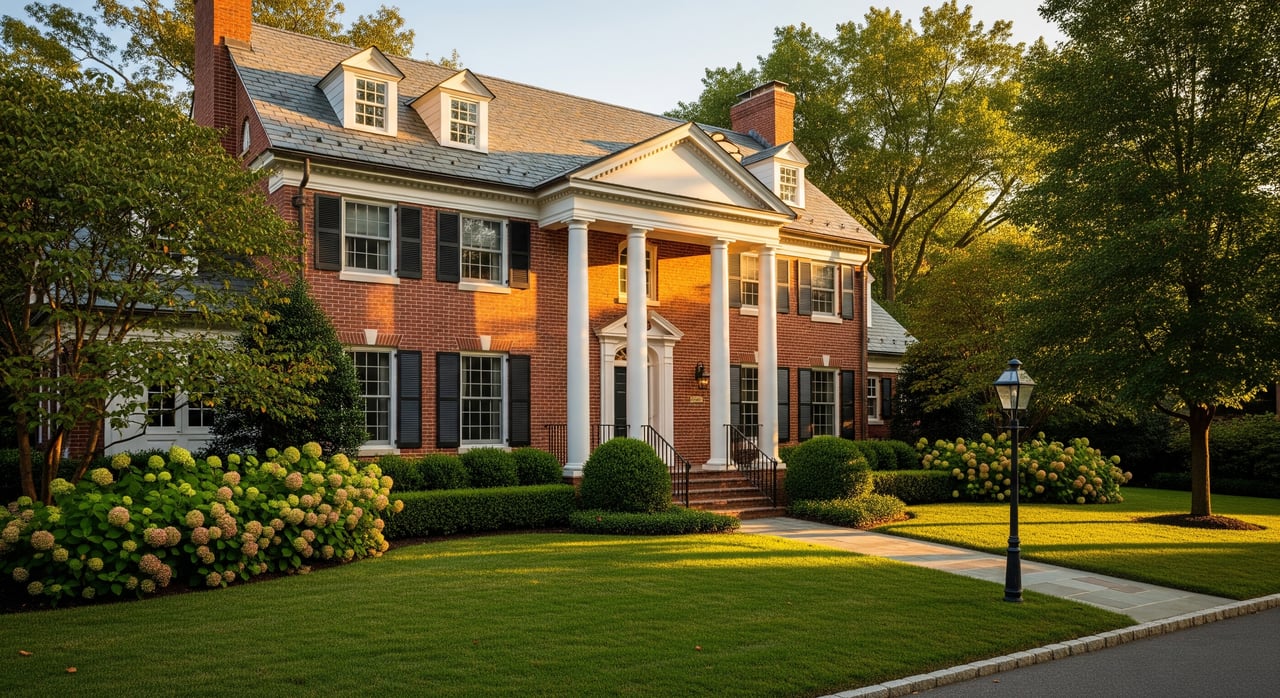
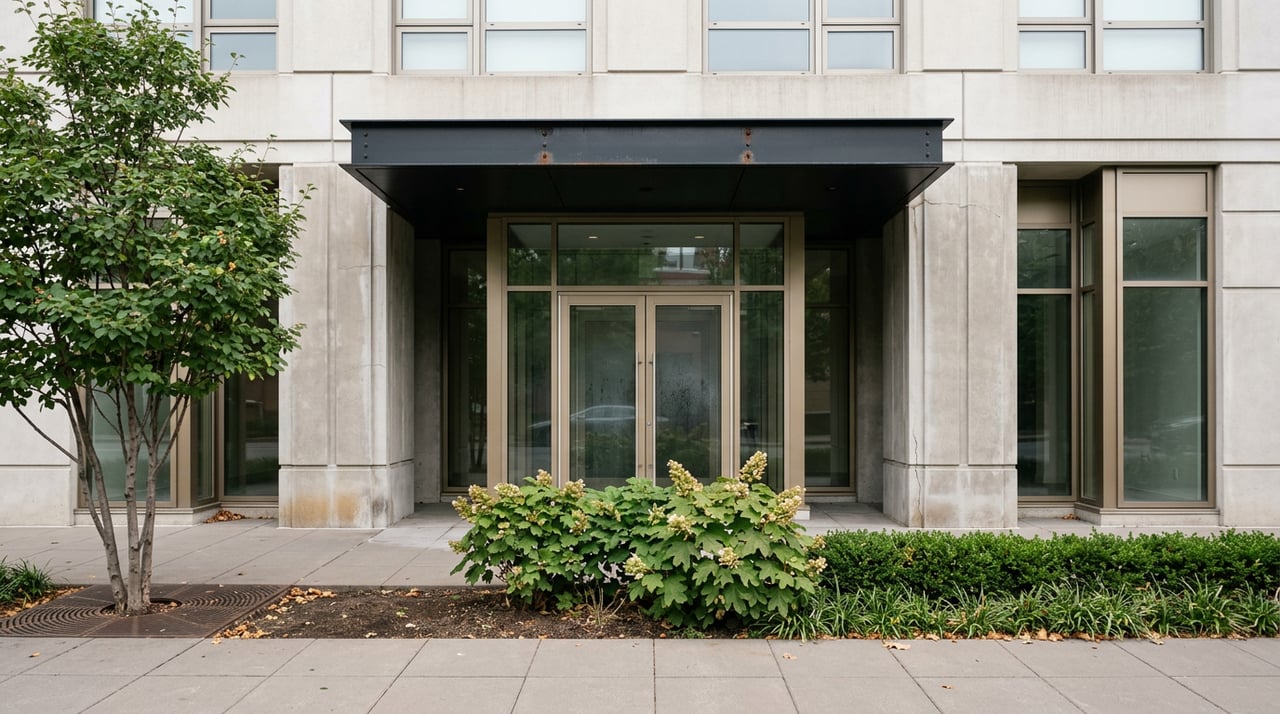
Falls Church blends small-city convenience with suburban calm. You’ll see older single-family homes from the early to mid 1900s, many renovated or expanded. There’s steady infill, especially along main streets, where mixed-use buildings add condos over retail. Townhomes and mid-rise condos cluster near Metro-accessible corridors.
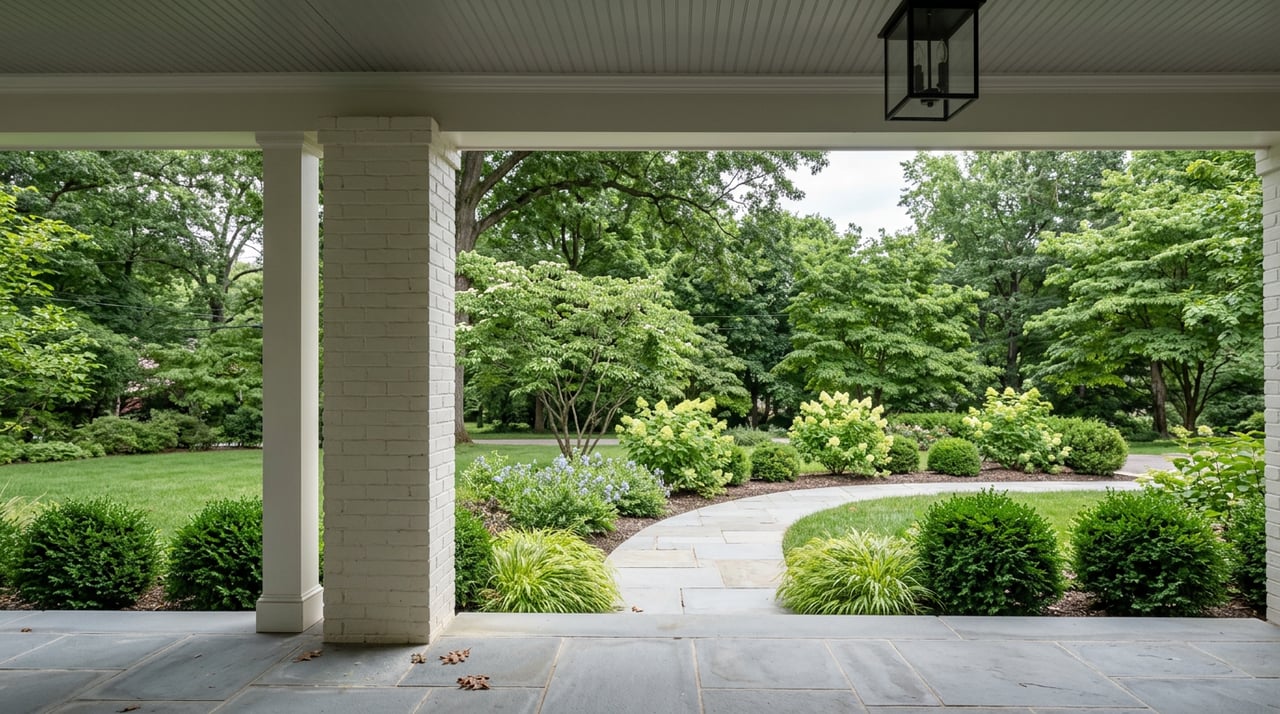
Day to day, the city core feels lively and walkable. Evenings often mean a casual dinner, a quick errand, or a community event. A few blocks out, tree-lined streets and quieter cul-de-sacs define the routine. If you value both walkability and a neighborhood feel, this mix is part of the appeal.
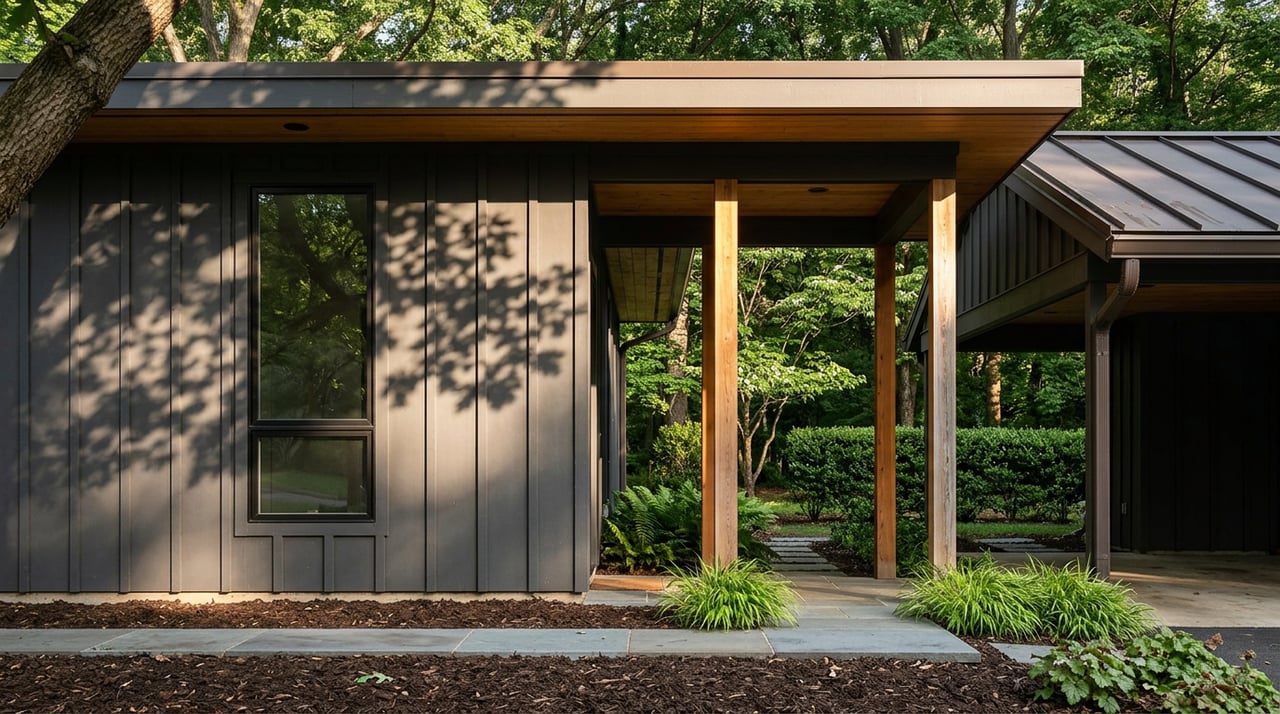
You can choose from single-family homes, townhomes, and condos across both the city and Fairfax County areas. Many single-family properties have seen updates, and you’ll notice some tear-downs and new builds on desirable blocks. Near Metro stations and downtown, condos and townhomes are more common.
Pricing is above the national average and competitive within Northern Virginia. Expect premiums for properties near the downtown core or within a comfortable walk to Metro. Fully renovated homes on larger lots also command higher prices. Buyers here often include professionals commuting to Arlington or D.C., downsizers looking for a walkable lifestyle, and households that prioritize well-regarded local schools.
If you’re budgeting, plan for differences between the City of Falls Church and Fairfax County. Property tax rates and school funding vary by jurisdiction. Many newer condos and townhome communities have HOA fees that cover shared amenities and exterior maintenance. Utility providers can change from one neighborhood to the next, so verify water, sewer, gas, and electricity details for any address you’re considering.
Transit access is a major strength. The area is served by nearby Metrorail stations on the Orange and Silver Lines, including East Falls Church and West Falls Church. Exact station access and walkability depend on your block. Buses run through key corridors and connect to regional networks. If you work in Arlington or downtown D.C., rail can make the commute straightforward.
Driving options are robust but time sensitive. I-66, Route 7, Route 50, and the Beltway (I-495) are the main arteries heading to D.C., Tysons, or beyond. Travel times swing with rush hour, construction, and weather. I-66 has managed lanes during peak periods, and carpool or express-lane access can help with predictability. Many residents mix modes, using rail for the workweek and driving for errands and weekend trips.
The city’s downtown area offers restaurants, coffee shops, small retailers, and professional services. You can run quick errands, grab a casual meal, and cross paths with neighbors in a single loop. In the broader Falls Church area, you’ll also find corridors known for diverse dining and specialty markets. These hubs change over time, which keeps the scene fresh.
Community calendars are busy. Small cities in this region often host farmers markets, seasonal festivals, and summer concerts. If you like to plan your weekends around local events, you’ll have options.
You’ll have pocket parks, playgrounds, and local recreation spaces within the city and nearby. Because the City of Falls Church is compact, larger facilities and nature centers are often found in adjacent Fairfax County or Arlington. Multi-use trails and greenways link neighborhoods to the wider regional network, making it easy to walk or bike to nearby destinations. If you’re active, this connectivity is a real benefit.
Schools are a common driver for moves into Falls Church. The City of Falls Church operates its own small public school system that has historically performed well on state benchmarks. The surrounding Falls Church area in Fairfax County is served by Fairfax County Public Schools, one of the largest districts in the nation. School assignment depends on your address, so confirm boundaries and current enrollment details for any home on your shortlist.
Childcare and preschools come in a mix of public and private options. In popular neighborhoods, availability can be tight. If you’re planning a move with young children, start your childcare search early and tour programs while you’re house hunting.
For routine care, you’ll find primary care practices and urgent care clinics nearby. For hospital services and specialists, many residents head to medical centers in Arlington, Alexandria, Fairfax, or into Washington, D.C. If you’re inside the City of Falls Church, municipal services like police, fire, sanitation, and permitting are handled by the city. Addresses in the neighboring Fairfax County area use county-level services.
Most growth happens through redevelopment of existing corridors and station areas rather than large new subdivisions. You’ll see infill and vertical mixed-use projects near commercial streets and around Metro. This keeps amenities close and supports walkability.
Safety indicators generally compare favorably with national averages, though perceptions vary block by block. As with any close-in market, it’s smart to review local crime maps and talk through location specifics with your agent.
Looking ahead, plan for continued demand near transit and in walkable zones. There’s ongoing interest in transit-oriented development, and pressure for housing in top-demand areas can lead to more teardowns and higher-density replacements. Local policy on zoning, tax rates, and school capacity planning can shift affordability and inventory over time, so keep an eye on updates if you’re timing a move or sale.
Choose the City of Falls Church if you want a tight-knit, walkable core with daily conveniences nearby. Look to nearby Fairfax County neighborhoods if you want a bit more space while staying close to transit and major roads. Either way, you’re trading long commutes for central access, with housing options that range from condos to renovated single-family homes.
Use this quick checklist to clarify fit:
Buying or selling in Falls Church takes local knowledge, smart pricing, and a clear plan. Our team combines long-term neighborhood expertise with renovation-informed guidance, so you understand value, inspection findings, and improvement options before you commit. A dedicated transaction manager and listing manager keep each step organized, from prep and staging to closing.
We represent buyers and sellers across single-family homes, townhomes, and condos, including move-up and luxury listings. We also support relocations, valuations, staging and marketing for sellers, leasing, and investor or entry-level condo transactions. If you’re exploring a move in Falls Church, we’re ready to guide you with clarity and care.
Ready to get started? Connect with The Gaskins Team for a free home valuation or a local market consult.
Stay up to date on the latest real estate trends.




Whether you're buying your first home or preparing to sell, The Gaskins Team is here with the strategy, support, and local expertise to help you succeed.